

IT vendor management for safe supplier transitions
IT vendor management is how an organisation selects, contracts, monitors and exits the suppliers that deliver its IT services. I provide independent, hands-on vendor management for the moments that carry the most risk: bringing a new supplier in, moving an old one out and running new system selection projects, so service carries on without disruption.
Request a consultation call
The first call is a conversation, with no obligation and no hard sell.
When you need an independent IT supplier manager
Safe, structured transitions in and out of IT suppliers.
Most organisations only change a major IT supplier every few years, so the experience to do it well is rarely in-house. The usual reasons people bring in outside help are:
A supplier transition is coming.
You're onboarding a new vendor or exiting an old one, and a badly handled handover would disrupt the service your users rely on.
Vendor performance governance is weak.
There are no clear SLAs or accountability, and nobody is measuring vendor performance against the contract.
An exit needs proper assurance.
Offboarding a vendor needs rigorous data, security and continuity checks before the contract closes.
A new system is being bought without due diligence.
The vendor selection is moving faster than the requirements work behind it.
What IT vendor management covers
Good vendor management follows a lifecycle. Each stage has its own risks, and most transition problems come from skipping one:
- 01Requirements and vendor selection. Agreeing what the service needs to do, then running a fair evaluation of each vendor against it, often through an RFP and procurement process.
- 02Contract and service levels. Turning what each vendor promised in the sales process into a service level agreement, reporting and contract terms you can actually enforce.
- 03Onboarding and transition. Planning the move, transferring knowledge and running parallel service where needed, so users don't notice the change.
- 04Performance and relationship management. Monitoring vendor performance against the contract, holding regular service reviews and building a working vendor relationship based on facts rather than opinions.
- 05Risk and compliance. Keeping vendor risk, data protection and security compliance under review for as long as the contract runs.
- 06Offboarding and exit. Planning the exit, recovering data and knowledge, keeping service continuity and closing the contract cleanly.
The vendor management process doesn't have to be heavy. A small IT team with three or four key suppliers needs the same stages as a large one, just with less paperwork.
What I deliver
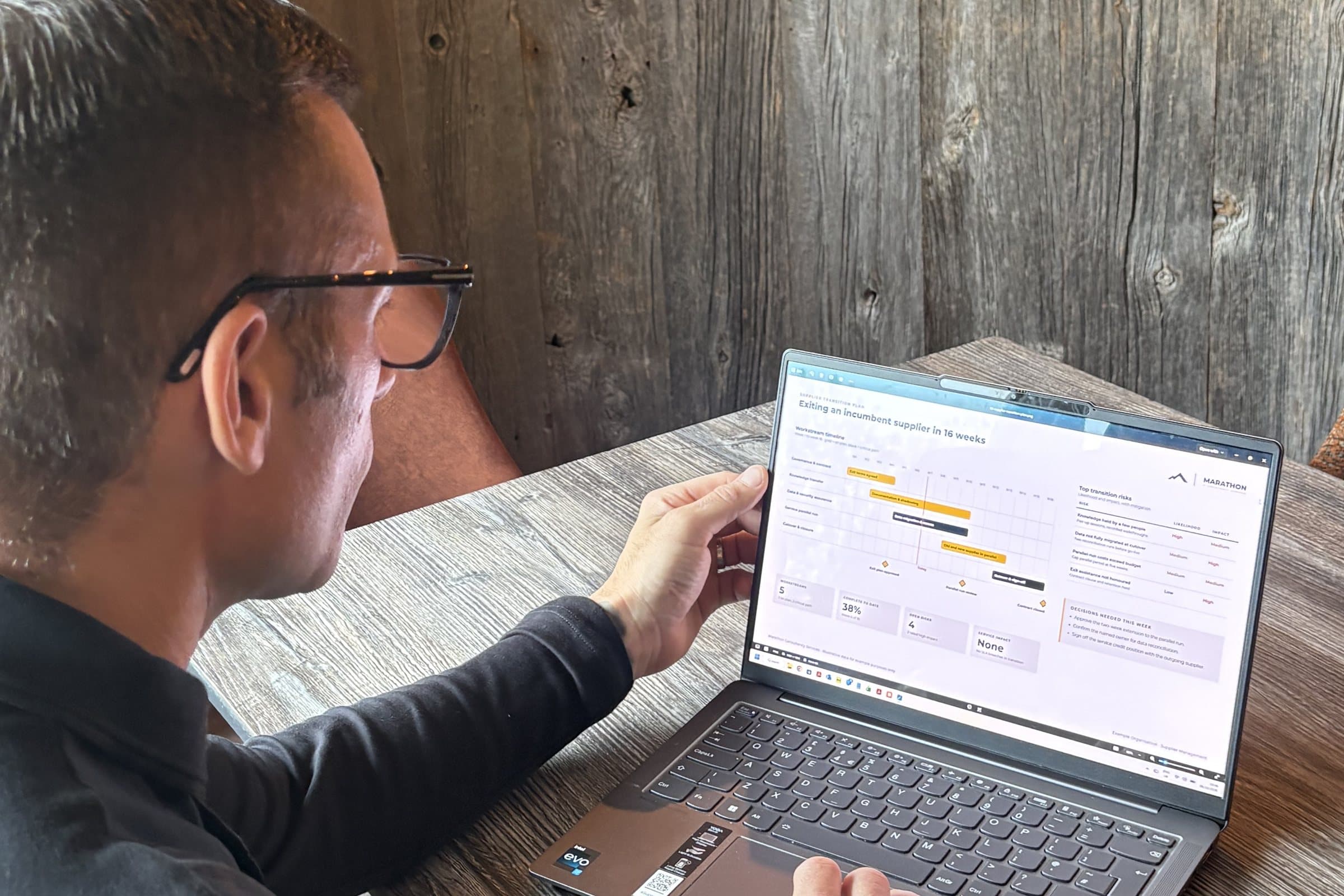
- 01Supplier onboarding. RFP support alongside your procurement team, vendor due diligence, SLA and contract design, transition planning, and structured knowledge transfer from the old arrangement to the new one.
- 02Supplier offboarding. Exit plans, data and security assurance, service continuity through the handover and clean contract closure.
- 03New system assessment. Requirements gathering, vendor evaluation and selection, then oversight through to delivery so the system you bought is the system you get.
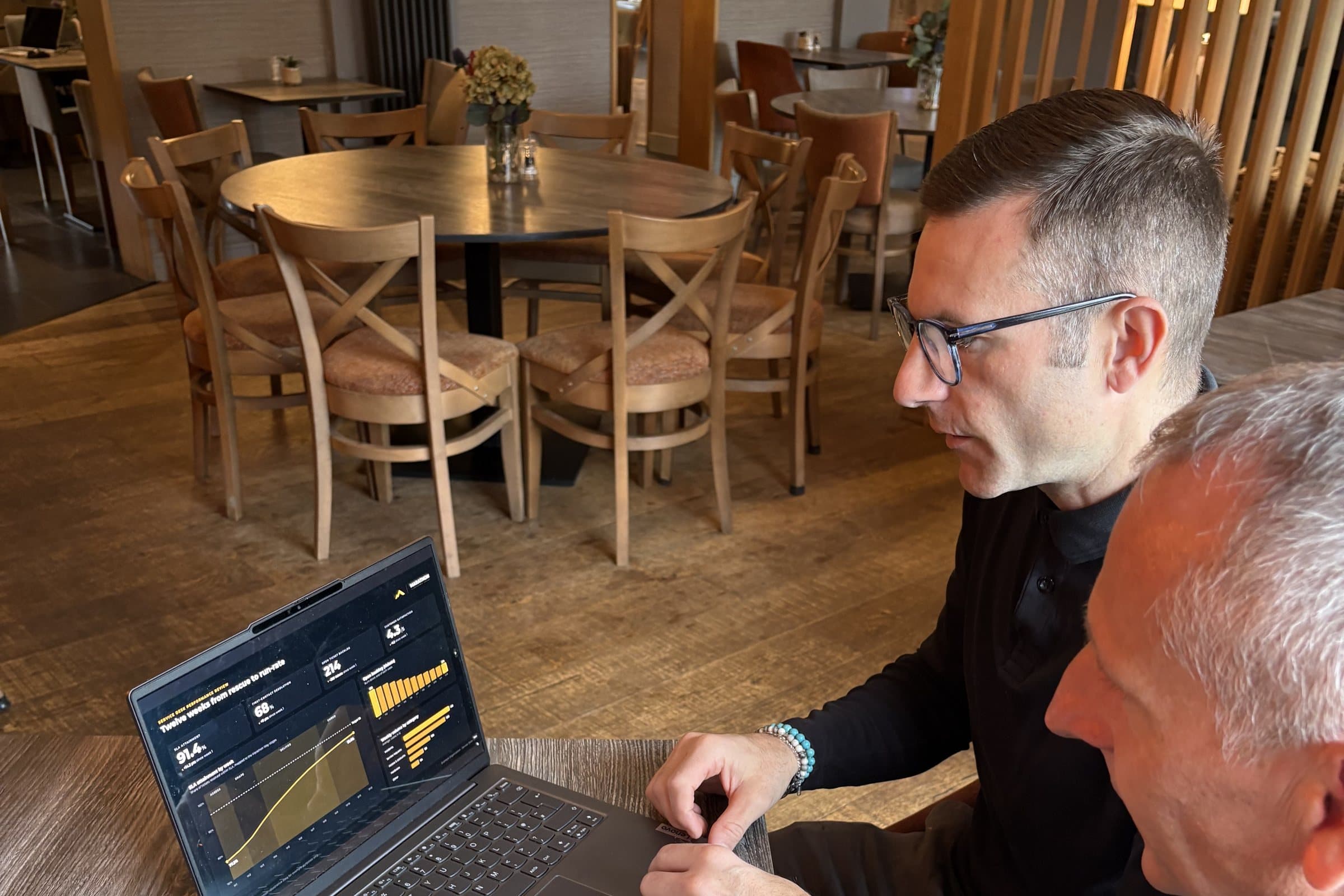
- 04Ongoing governance. SLA and performance frameworks that keep working after go-live, with service reviews that hold each vendor to account and a vendor relationship that survives a difficult month.
- 05Risk management. A risk log and mitigation plan kept up to date through the whole transition.
The work follows The Marathon Way, from assessing the current supplier position through to embedding governance your team can run.
Why independent vendor management matters
The incoming vendor is focused on its own onboarding. The outgoing one has little reason to make the exit easy. Your procurement team knows contracts and vendor pricing, but may not know how the IT service actually runs day to day.
An independent IT supplier manager sits between the vendors, procurement and your IT team with one job: protecting your service. I've spent more than 15 years in IT service delivery, including leading third-party and partner relationships, so I know what a vendor will promise in the sales process and what it takes to get it delivered.
My background also includes ISO/IEC 27001, which matters when an exit involves moving data and access between organisations.

Who this is for
This service is a good fit if you're:
- Onboarding a new IT supplier or managed service provider
- Exiting an IT supplier, or bringing a service back in-house
- Consolidating a fragmented supplier base into fewer, better-managed contracts
- Implementing a new system and want independent oversight of the vendor
If your service desk is the thing being outsourced or brought back, it's often worth pairing this with an IT service desk rescue so the team is ready either way.
What people say about working with me

Greg's skill set stretches far beyond the Service Desk. He provided 3rd party leadership and management ensuring key technology partners provided high levels of service. Greg has a passion for improving processes across teams, often stretching outside of technology to help others improve the services provided.
IT vendor management FAQs
What is IT vendor management?
IT vendor management is the work of choosing, contracting, monitoring and exiting the suppliers that provide your IT services and systems. It covers procurement, contract management, service levels, vendor risk and the vendor relationship itself.
What does an IT vendor manager do?
An IT vendor manager makes sure each vendor delivers what the contract promises, and works with procurement when contracts are renewed or retendered. That means setting up SLAs and reporting, running service reviews, managing risk and compliance, and leading transitions when a supplier joins or leaves.
Why is IT vendor management important?
Most organisations rely on third-party vendors for a large part of their IT. If you don't manage vendor contracts and performance actively, costs creep up, service levels slip and a transition can disrupt the whole business. Good vendor management keeps that risk under control.
Do I need vendor management software?
Not necessarily. A vendor management system or management platform can help when you have a lot of suppliers, but the process and the relationships matter far more than the tool. Many organisations run it well with a clear contract register and regular reviews.
Can you help us leave our current IT supplier?
Yes. Offboarding is a core part of this service: exit planning, data and security assurance, and keeping the service running through the handover.
Planning a supplier change?
Tell me what's changing and when, and I'll tell you where the risks are and how I'd approach it.
Plan a supplier transition